
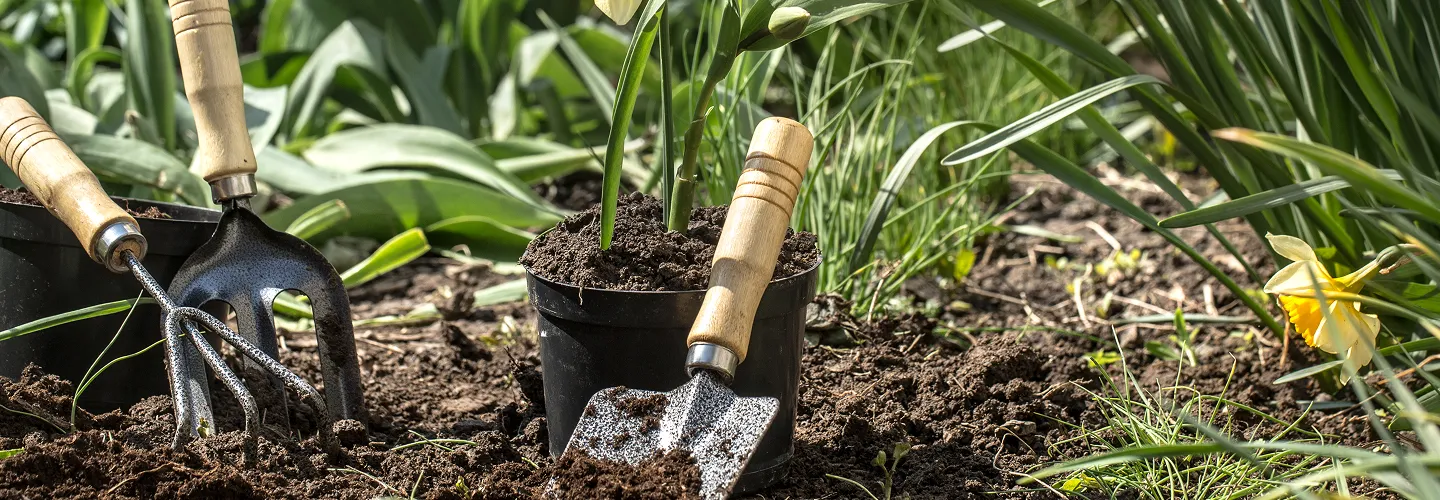
Whiskey Creek Weeding Services
Choose our weeding services for thorough, reliable weed removal that protects your landscape, enhances curb appeal, and keeps your garden thriving all season long.
Get a Free QuoteOur Whiskey Creek Landscaping & Yard Care Services
When to Schedule Weeding in Whiskey Creek, Florida – Seasonal Guide
In Whiskey Creek, Florida, the timing of weeding services is crucial due to the region’s subtropical climate and unique landscape features. The optimal periods for weeding are typically late winter through early spring and again in late summer, when weed growth is most active but before seeds have a chance to spread. Neighborhoods near Whiskey Creek Drive and the shaded areas around the Caloosahatchee River often experience higher humidity and denser vegetation, which can accelerate weed proliferation. Local soil types, ranging from sandy loam to more clay-heavy patches, also influence how quickly weeds take hold and how often maintenance is required.
Environmental factors such as the last frost date—usually in early February—signal when it’s safe to begin weeding without risking damage to desirable plants. Drought risk during late spring and municipal watering restrictions can impact the effectiveness of weed removal, especially in areas like Cypress Lake and the shaded lots near Whiskey Creek Country Club. For more information on local regulations and best practices, consult the official town resources.
Local Factors to Consider for Weeding in Whiskey Creek
- Tree density and shade coverage, especially in older neighborhoods
- Soil composition and drainage characteristics
- Seasonal precipitation patterns and drought risk
- Proximity to water bodies like the Caloosahatchee River
- Municipal restrictions on herbicide use and watering schedules
- Terrain variations, including sloped yards and low-lying areas
Benefits of Weeding in Whiskey Creek
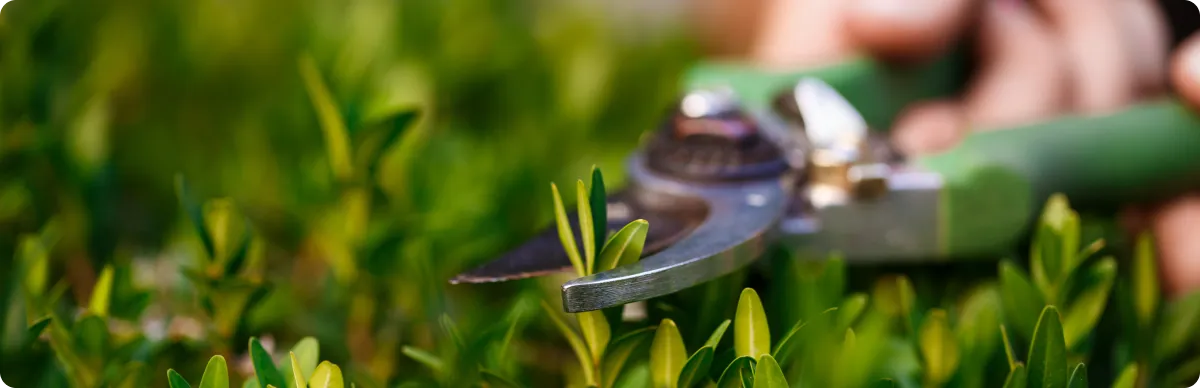
Enhanced Curb Appeal
Healthier Plant Growth
Reduced Pest Infestation
Improved Soil Quality
Professional and Reliable Service
Time and Effort Savings
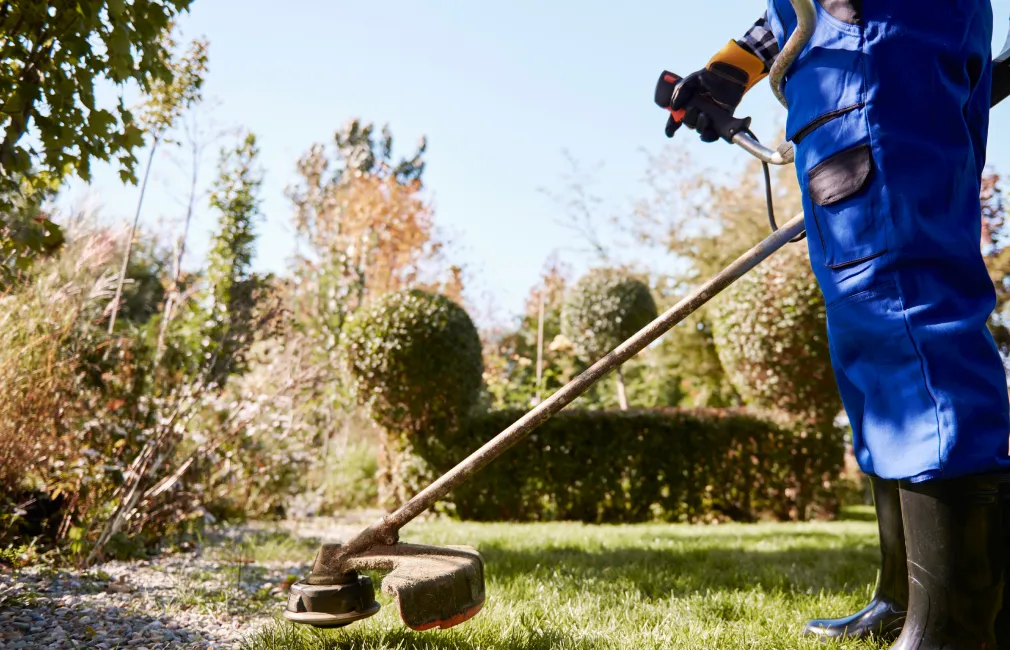
Whiskey Creek Weeding Types

Hand Weeding
-
Mulch Application
-
Pre-Emergent Weed Control
-
Post-Emergent Herbicide Treatment
-
Mechanical Weeding
-
Landscape Fabric Installation
-
Selective Weed Removal
Our Weeding Process
Site Evaluation
Weed Identification
Manual Removal
Soil Cultivation
Preventative Measures
Why Choose Whiskey Creek Landscape Services
-
Whiskey Creek Homeowners Trust Us
-
Expert Lawn Maintenance
-
Reliable Scheduling
-
Competitive Pricing
-
Professional Team
-
Satisfaction Guarantee
-
Personalized Service
Coordinating Weeding Services with Lee County Departments in Whiskey Creek
Whiskey Creek is an unincorporated community in Lee County, which means county-level departments oversee property maintenance standards, stormwater protection, and code compliance rather than a municipal government. Residents and property managers should coordinate weeding activities with county guidance to ensure vegetative debris is properly handled and that weed-control methods do not introduce pollutants into the local drainage network. Lee County's stormwater infrastructure—including swales, canal edges, and curb inlets found throughout Whiskey Creek—requires that pulled weeds, soil, and any chemical residues remain out of drainage pathways. Vegetative waste generated from weeding should be disposed of according to Lee County's yard waste collection procedures; verify current pickup schedules and bundling requirements through the county.
- Pulled weeds and organic debris must not be deposited in swales, canal banks, or storm-drain inlets
- Confirm yard waste collection days and container rules through Lee County before placing material curbside
- Properties adjacent to canals or retention ponds should take extra precautions to prevent soil and plant material from entering waterways
Lee County Department of Community Development
1500 Monroe Street, Fort Myers, FL 33901
Official Website: Lee County Department of Community Development
How Whiskey Creek's Gulf Coast Climate Drives Year-Round Weed Pressure
Whiskey Creek sits within the Gulf Coast Florida context, classified in USDA Hardiness Zone 10a, where frost events are rare and warm-season weeds can germinate nearly year-round. The area's sandy, poorly drained soils—common across Lee County's coastal subdivisions—retain limited nutrients, which means bare or thin spots in landscape beds are quickly colonized by opportunistic species. Whiskey Creek receives approximately 55 inches of annual rainfall, with the bulk falling between June and September. This wet season triggers rapid weed flushes, particularly in mulched beds where moisture and warmth create ideal germination conditions.
- High humidity and heat: Summer temperatures regularly exceed 90°F with elevated humidity, accelerating weed growth cycles and making timely removal critical before seed set
- Sandy soils with low organic matter: Nutrients leach quickly, leaving beds vulnerable to weed encroachment where mulch has thinned or decomposed
- High water table: Many Whiskey Creek properties sit near canal-level water tables, meaning saturated root zones favor sedges, dollarweed, and other moisture-loving weeds
- Wet-season weed flushes: Heavy afternoon rains from June through September produce successive germination waves that require repeated attention
Understanding these conditions helps property owners anticipate when weed pressure will intensify and plan removal schedules accordingly, as outlined by UF/IFAS Gardening Solutions.
Navigating Whiskey Creek's Regulatory Framework for Weed Control Practices
Any chemical weed-control method applied on Whiskey Creek properties must comply with Florida's regulatory structure. Under Florida Statutes Chapter 487, commercial applicators using herbicides must hold valid certification through the Florida Department of Agriculture and Consumer Services (FDACS). This applies to any contractor performing chemical weeding on residential or commercial properties in Lee County. Herbicide applications near Whiskey Creek's canal network and retention areas must also account for the Florida DEP NPDES Stormwater Program, which regulates pollutant discharge into municipal separate storm sewer systems.
- Verify that any service provider applying herbicides holds a current FDACS pesticide applicator license
- Pre-emergent and post-emergent herbicides must not be applied when rain is imminent, to prevent runoff into swales and canals
- Lee County code compliance may address properties where nuisance vegetation or overgrowth creates visibility or maintenance violations; confirm current thresholds with the county
- Herbicide drift onto neighboring properties, waterways, or public rights-of-way is a regulatory violation under state law
Lee County Parks and Recreation
Official Website: Lee County Parks and Recreation
FDACS – Pesticide Licensing
Official Website: FDACS Pesticide Applicator Licenses
Timing Weeding Around Whiskey Creek's Wet Season and Heat Cycles
Professional weeding in Whiskey Creek follows timing principles shaped by the area's subtropical climate. The most effective approach combines hand removal, targeted herbicide application, and mulch management on a schedule that accounts for seasonal weed behavior. Pre-emergent treatments are most effective when applied before the spring germination surge, typically in late February through early March, and again before the fall flush in September. Post-emergent spot treatments should target actively growing weeds before they reach seed-set stage.
- Hand weeding: Most effective when soil is moist but not saturated, allowing full root extraction; schedule after light rains rather than during peak wet-season downpours
- Pre-emergent timing: Apply before soil temperatures consistently reach the germination threshold for target species; two application windows per year align with Whiskey Creek's climate
- Mulch maintenance: Replenish mulch to a depth of roughly 2–3 inches to suppress germination; avoid piling mulch against plant stems or tree trunks
- Post-emergent spot treatment: Apply on calm, dry mornings to minimize drift and maximize absorption; avoid application within 24 hours of forecast rainfall
- Bed-edge management: Weeds frequently colonize the transition zone between beds and turf or hardscape; maintaining clean edges reduces reinfestation pressure
Protecting Florida's water resources requires that all weeding debris and chemical residues remain contained within the treatment area and away from stormwater conveyances.
What Neighborhoods Do We Serve Throughout Whiskey Creek, FL?
- Whiskey Creek Estates: Established lots with mature landscaping and large bed areas that accumulate significant weed pressure under dense canopy shade and irrigation zones
- Whiskey Creek Country Club: Properties bordering the golf course and canal system require careful weed management to prevent herbicide drift and organic debris from reaching adjacent waterways
- Briarcliff: Older subdivision with sandy fill soils and aging mulch beds where weed encroachment accelerates during the wet season due to thinning ground cover
- Tanglewood: Mid-century homes with expansive yards and mixed planting beds that benefit from scheduled hand-weeding and pre-emergent programs tailored to the area's high water table
- Plantation: Properties with HOA-maintained common areas adjacent to private beds, requiring coordination to maintain consistent weed suppression across shared boundaries
- Royal Woods: Canal-adjacent lots where sedge and dollarweed pressure is elevated due to saturated soils, demanding targeted post-emergent treatment and improved drainage awareness