
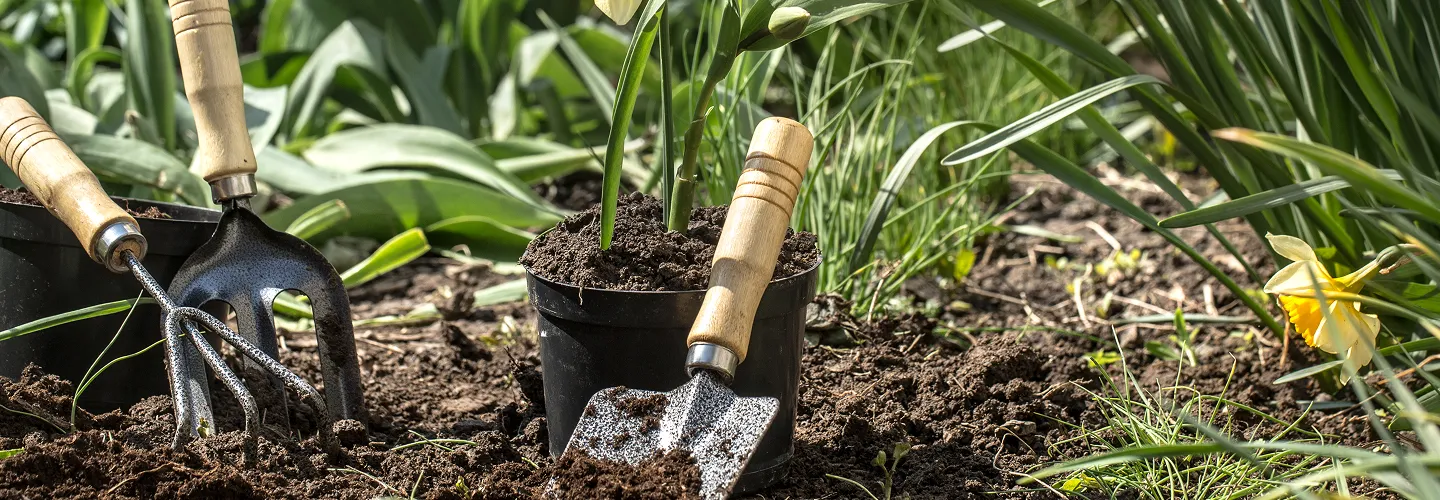
Whiskey Creek Flower Bed Maintenance Services
Choose our Flower Bed Maintenance for expert care, vibrant blooms, and a hassle-free experience—let us handle the details so you can enjoy a beautiful, thriving garden without the work.
Get a Free QuoteOur Whiskey Creek Landscaping & Yard Care Services
When to Schedule Flower Bed Maintenance in Whiskey Creek, Florida – Seasonal Guide
In Whiskey Creek, Florida, the timing of flower bed maintenance is closely tied to our unique subtropical climate and the specific needs of local landscapes. With mild winters and hot, humid summers, the best periods for comprehensive flower bed care are typically late winter through early spring and again in early fall. These windows allow for optimal plant health, as they avoid the stress of peak summer heat and the rare but possible winter frosts. Neighborhoods near Whiskey Creek Drive and the Caloosahatchee River often experience microclimates, where shade from mature oaks or proximity to water can influence soil moisture and temperature, impacting when and how maintenance should be performed.
Local environmental factors such as our sandy soils, high humidity, and occasional drought conditions play a significant role in determining the right schedule for tasks like mulching, pruning, and planting. For example, areas closer to the Whiskey Creek Country Club may have denser tree coverage, affecting sunlight and moisture retention. It's also important to consider municipal guidelines and seasonal rainfall patterns, which can affect both the timing and methods of maintenance. For more information on local regulations and resources, visit the official town website.
Local Factors to Consider for Flower Bed Maintenance in Whiskey Creek
- Tree density and shade coverage, especially in neighborhoods with mature landscaping
- Soil type and drainage, with sandy soils requiring different care than clay-rich areas
- Seasonal precipitation and drought risk, which can vary year to year
- Proximity to water features like the Caloosahatchee River, influencing humidity and microclimates
- Municipal restrictions or guidelines on landscaping and water usage
- Terrain variations, such as sloped yards or low-lying areas prone to pooling water
Benefits of Flower Bed Maintenance in Whiskey Creek
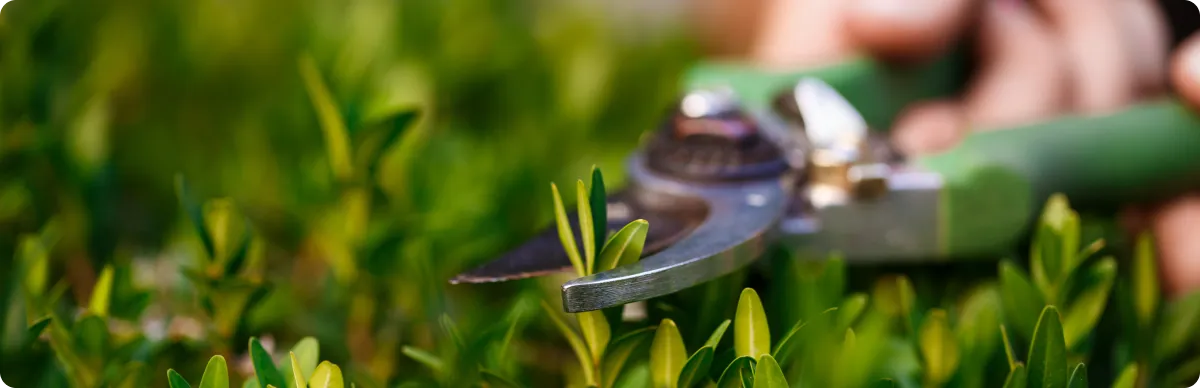
Enhanced Curb Appeal
Weed and Pest Prevention
Healthier Plant Growth
Seasonal Color Management
Professional Landscape Expertise
Time and Effort Savings

Whiskey Creek Flower Bed Maintenance Types

Seasonal Flower Planting
-
Weed Control Services
-
Mulching and Soil Conditioning
-
Pruning and Deadheading
-
Fertilization Programs
-
Pest and Disease Management
-
Edging and Bed Redefining
Our Flower Bed Maintenance Process
Site Evaluation
Weed Removal
Soil Cultivation
Mulching
Plant Health Inspection
Why Choose Whiskey Creek Landscape Services

-
Whiskey Creek Homeowners Trust Us
-
Expert Lawn Maintenance
-
Reliable Scheduling
-
Competitive Pricing
-
Professional Team
-
Satisfaction Guarantee
-
Personalized Service
Coordinating Flower Bed Maintenance With Lee County Services in Whiskey Creek
Whiskey Creek is an unincorporated community in Lee County, which means flower bed maintenance activities fall under county-level oversight rather than a municipal government. Residents and property managers should coordinate with Lee County departments when bed maintenance generates vegetative debris, requires irrigation adjustments, or involves work near drainage swales and canal easements. Lee County manages yard waste collection for unincorporated areas, and all organic bed debris—spent annuals, pulled weeds, trimmed perennials, and old mulch—must be prepared according to county vegetative waste guidelines before placement at the curb.
- Separate flower bed debris from household trash and non-organic materials before disposal
- Confirm current yard waste collection schedules and bundling requirements through Lee County's solid waste division
- Coordinate with Lee County Parks and Recreation when bed maintenance borders public greenspace or county-maintained medians
- Avoid depositing soil, mulch, or plant material into swales, canal banks, or stormwater inlets adjacent to residential beds
Lee County Department of Community Development
1500 Monroe Street, Fort Myers, FL 33901
Official Website: Lee County Department of Community Development
How Whiskey Creek's Gulf Coast Climate Shapes Flower Bed Health Year-Round
Whiskey Creek sits within USDA Hardiness Zone 10a, positioned along Florida's Gulf Coast where subtropical heat, high humidity, and a pronounced wet season directly influence flower bed performance. The area receives roughly 55 inches of annual rainfall, with the majority concentrated between June and October. This seasonal deluge creates saturated soil conditions in beds that lack proper drainage or elevated profiles. Whiskey Creek's predominant soils tend toward sandy, poorly drained compositions with a high water table, which accelerates nutrient leaching from flower beds and limits root-zone oxygen during prolonged wet periods.
- Heat intensity: Summer air temperatures regularly exceed 90°F, and radiant heat from adjacent driveways and walkways can push bed-edge soil temperatures even higher, stressing shallow-rooted annuals
- Humidity and fungal pressure: Persistent humidity above 70% promotes foliar diseases such as powdery mildew and leaf spot in densely planted beds without adequate air circulation
- Sandy soil behavior: Nutrients applied to flower beds move rapidly through sandy profiles, increasing the risk of nitrogen and phosphorus reaching nearby canals and retention areas
- Salt exposure: Properties closer to tidal waterways or brackish canals may experience mild salt drift, which limits species selection and increases irrigation flushing needs
The USDA Plant Hardiness Zone Map confirms Whiskey Creek's tropical-subtropical classification, which supports year-round planting but demands careful species selection and irrigation management.
Navigating Lee County Regulations and Environmental Compliance for Flower Bed Care
Flower bed maintenance in Whiskey Creek must account for several regulatory layers that protect water quality and neighborhood standards. Lee County enforces a fertilizer ordinance consistent with Florida Statutes §403.9337, which restricts fertilizer application during the summer rainy season. Residents and service providers should verify the current blackout period dates through Lee County before applying any granular or liquid fertilizer to flower beds. Any pesticide or herbicide application within flower beds that involves restricted-use products requires a licensed applicator under FDACS Pesticide Applicator Certification.
- Fertilizer containing nitrogen or phosphorus must not be applied within a designated buffer zone of any waterbody, canal, or stormwater conveyance
- Flower bed runoff carrying soil, mulch, or chemical residue into the county stormwater system may constitute a discharge violation under the Florida DEP NPDES Stormwater Program
- Properties adjacent to canals or retention ponds should maintain vegetative buffers and avoid bare-soil exposure in beds during the wet season
- Lee County code compliance may address overgrown or neglected flower beds that create nuisance conditions or visibility obstructions along rights-of-way
Lee County Utilities
Official Website: Lee County Utilities
Irrigation tied to flower bed maintenance must comply with the South Florida Water Management District's watering restrictions. Schedules may vary by drought stage, and property owners should verify current allowable watering days through their utility provider.
Timing and Professional Standards for Flower Bed Maintenance in Whiskey Creek
Effective flower bed maintenance in Whiskey Creek follows seasonal rhythms dictated by the Gulf Coast climate. Professional standards emphasize proactive scheduling rather than reactive intervention, particularly given the rapid growth cycles that subtropical conditions produce.
- Deadheading and cleanup: Remove spent blooms every two to three weeks during the active growing season (March through November) to redirect plant energy and reduce fungal habitat in humid conditions
- Mulch management: Maintain organic mulch at a depth of two to three inches, replenishing after heavy rains that displace material; avoid piling mulch against plant stems, which promotes crown rot in high-humidity environments
- Weed suppression: Hand-pull or spot-treat weeds before they set seed, particularly after summer rain events that trigger rapid germination flushes in sandy soils
- Irrigation emitter checks: Inspect drip emitters and micro-sprayers monthly during the wet season to ensure they have not clogged with sediment or shifted away from root zones; adjust run times seasonally per EPA WaterSense outdoor guidelines
- Seasonal replanting: Transition cool-season annuals such as petunias and snapdragons out of beds by late April before heat stress causes decline; install heat-tolerant species like pentas, lantana, and vinca for summer display
Soil amendments in Whiskey Creek's sandy beds should focus on organic matter incorporation to improve moisture retention and nutrient-holding capacity. Compost or aged pine bark worked into the top several inches of bed soil before each replanting cycle helps counteract the rapid drainage that characterizes local soil profiles.
Lee County Parks and Recreation
Official Website: Lee County Parks and Recreation
What Neighborhoods Do We Serve Throughout Whiskey Creek, FL?
- Whiskey Creek Estates: Established lots with mature tree canopy create significant shade conditions in flower beds, requiring shade-tolerant species selection and adjusted irrigation schedules to account for root competition from large oaks and palms.
- Whiskey Creek Country Club: Properties near the golf course often feature formal bed designs with HOA appearance standards; beds adjacent to maintained turf areas require careful edging and mulch containment to prevent material migration.
- Briarcliff: Canal-adjacent lots in this section demand heightened attention to runoff control, with flower bed maintenance practices that prevent soil and mulch from entering waterway buffers during heavy rain events.
- Tanglewood: Older subdivision infrastructure and mature landscaping create mixed sun-and-shade bed environments where irrigation uniformity and root-zone competition are primary maintenance considerations.
- Plantation: Larger lot sizes in portions of this area allow for more extensive bed installations, but sandy fill soils common in the subdivision require consistent organic amendment and mulch replenishment.
- Winkler Road Corridor: Properties along this corridor experience higher reflected heat from adjacent roadway surfaces, which intensifies moisture loss in front-facing flower beds and necessitates more frequent irrigation monitoring.