
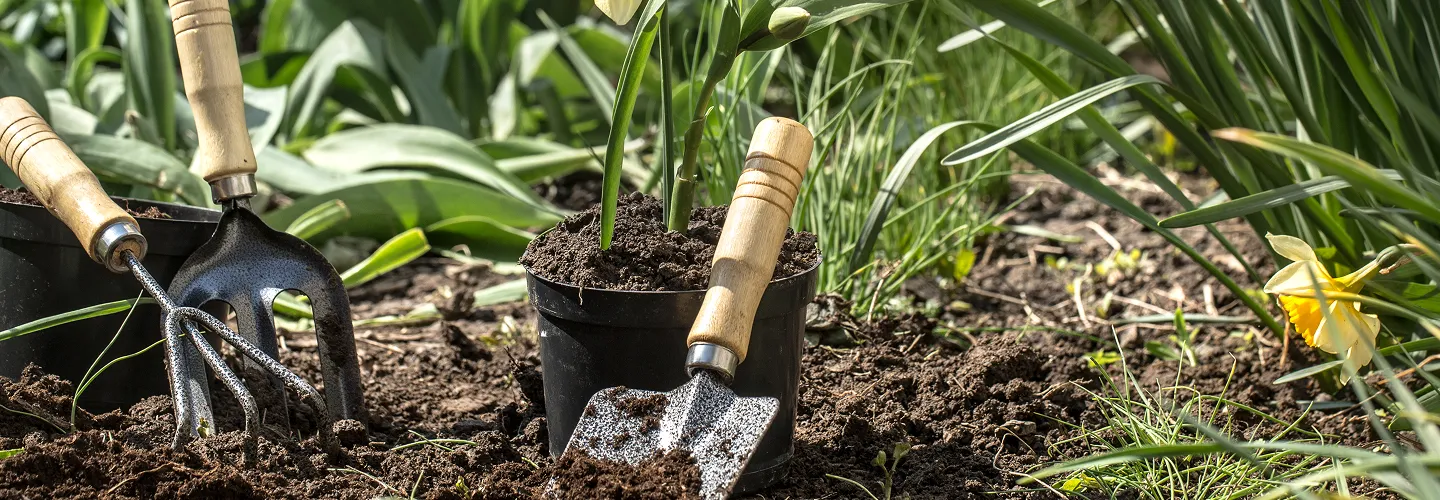
Whiskey Creek Plant Removal Services
Choose our plant removal services for expert care, fast turnaround, and a commitment to leaving your property spotless and ready for your next project.
Get a Free QuoteOur Whiskey Creek Landscaping & Yard Care Services
When to Schedule Plant Removal in Whiskey Creek, Florida – Seasonal Guide
In Whiskey Creek, Florida, timing your plant removal is crucial for both the health of your landscape and compliance with local guidelines. The subtropical climate means that most plant removals are best scheduled during the cooler, drier months—typically late fall through early spring. This period, which avoids the peak of hurricane season and the highest humidity, allows for easier access to root systems and minimizes stress on surrounding vegetation. Neighborhoods near Whiskey Creek Drive and the Caloosahatchee River often experience unique microclimates, with increased shade and moisture retention, making it important to assess each property individually.
Local environmental factors such as the last frost date (usually in January), periods of drought risk, and the sandy, well-draining soils common in the area all play a role in determining the best removal window. Homeowners in communities like McGregor Isles or near the Whiskey Creek Country Club should also consider municipal restrictions and permit requirements, which can be found on the official town website. By understanding these local nuances, you can ensure your plant removal project is both efficient and environmentally responsible.
Local Factors to Consider for Plant Removal in Whiskey Creek
- Tree and shrub density on your property
- Terrain slope and soil composition (sandy vs. loamy)
- Seasonal precipitation and risk of heavy rains
- Shade coverage from mature trees or nearby structures
- Municipal restrictions and permit requirements
- Proximity to water features or protected areas
Benefits of Plant Removal in Whiskey Creek
Enhanced Curb Appeal
Improved Plant Health
Reduced Pest Infestation
Increased Usable Space
Efficient Landscape Maintenance
Professional and Safe Removal
Whiskey Creek Plant Removal Types

Invasive Species Removal
-
Tree Stump Extraction
-
Shrub and Bush Clearing
-
Root System Removal
-
Overgrown Vegetation Clearing
-
Selective Plant Removal
-
Weed Eradication Services
Our Plant Removal Process
Site Evaluation
Preparation and Safety Measures
Plant Uprooting
Debris Removal
Site Restoration
Why Choose Whiskey Creek Landscape Services
-
Whiskey Creek Homeowners Trust Us
-
Expert Lawn Maintenance
-
Reliable Scheduling
-
Competitive Pricing
-
Professional Team
-
Satisfaction Guarantee
-
Personalized Service
Coordinating Plant Removal Disposal and Debris Routing in Whiskey Creek
Whiskey Creek is an unincorporated community in Lee County, which means plant removal projects fall under county-level oversight rather than a municipal government. Residents and property managers should coordinate vegetative debris disposal through Lee County's solid waste and public works framework. When removing plants—whether overgrown ornamentals, storm-damaged shrubs, or invasive species—the resulting root masses, stems, and soil must be separated from general waste and routed through approved vegetative debris channels. Verify current curbside collection schedules and bundling requirements directly with the county, as accepted materials, container sizes, and pickup frequency may change seasonally or after storm events.
- Separate vegetative debris from household waste and construction materials before placing it at the curb
- Confirm whether root balls with attached soil require special handling or drop-off at a county transfer facility
- Coordinate large-volume plant removal projects with the county to avoid blocking swales, sidewalks, or drainage inlets
Lee County Department of Community Development
1500 Monroe Street, Fort Myers, FL 33901
Official Website: Lee County Department of Community Development
How Whiskey Creek's Gulf Coast Climate and Soils Affect Plant Removal
Whiskey Creek sits within USDA Hardiness Zone 10a along Florida's Gulf Coast, where subtropical heat, high humidity, and a pronounced wet season from June through October shape every aspect of plant removal. The area's soils are predominantly sandy and poorly drained, with a seasonally high water table that can saturate root zones for extended periods. These conditions influence plant removal in several important ways:
- Root-zone saturation: During the wet season, saturated sandy soils lose structural cohesion, making root extraction unpredictable and increasing the risk of adjacent soil collapse or damage to nearby plantings and irrigation lines.
- Rapid regrowth pressure: Subtropical moisture and warmth accelerate regrowth from residual root fragments, particularly with aggressive species such as Brazilian pepper, earleaf acacia, or schefflera. Incomplete removal often leads to re-establishment within weeks.
- Runoff and sediment movement: Disturbed soil on Whiskey Creek properties drains toward neighborhood swales, retention ponds, and canal systems. Exposed root cavities can channel stormwater directly into these features, carrying sediment and organic debris that degrade water quality.
- Proximity to drainage infrastructure: Many Whiskey Creek lots border canal banks or county-maintained swales, and plant removal near these features requires careful stabilization to prevent erosion into the Florida DEP NPDES Stormwater Program-regulated drainage network.
Navigating Lee County Regulations and Environmental Compliance for Plant Removal
Plant removal in Whiskey Creek must account for several layers of county and state regulation. Lee County's Land Development Code includes provisions for vegetation on developed lots, and removal of certain protected trees may trigger review through the county's tree requirements. Property owners should verify whether any plants on their lot are classified as protected species or fall within a conservation easement, buffer zone, or wetland setback before beginning work.
- If herbicides are used to treat stumps or prevent regrowth, applicators must hold valid credentials through the FDACS Pesticide Applicator Certification and Licensing program, as required under Florida Statutes Chapter 487
- Disposal of removed plant material into canals, swales, retention ponds, or storm drains violates federal Clean Water Act provisions and local stormwater ordinances
- Work within county rights-of-way or utility easements may require advance coordination with Lee County departments to avoid conflicts with drainage infrastructure or underground utilities
Lee County Zoning
1500 Monroe Street, Fort Myers, FL 33901
Official Website: Lee County Zoning
Timing and Methods for Professional Plant Removal in Whiskey Creek
Scheduling plant removal in Whiskey Creek requires attention to seasonal soil conditions, storm risk, and post-removal site stabilization. The dry season—roughly November through May—offers the most favorable conditions for extraction, as lower water tables improve soil stability and reduce the likelihood of sediment washing into nearby drainage features. However, plant removal may be necessary year-round, particularly after tropical storms or when invasive species threaten adjacent landscaping.
- Mechanical vs. manual extraction: Smaller ornamentals and shrubs can often be removed manually with root balls intact, while larger specimens or deep-rooted invasives may require mechanical assistance. Equipment access should be planned to avoid compacting saturated soils or damaging irrigation lines.
- Root-zone stabilization: After removal, exposed soil should be stabilized promptly with sod, mulch, or erosion-control fabric to prevent washout during afternoon thunderstorms common from June through September.
- Invasive species protocol: When removing Florida-listed invasive plants, all viable root and stem material should be bagged or transported off-site rather than chipped in place, as fragments of species like Brazilian pepper can re-root in moist conditions.
- Irrigation system protection: Whiskey Creek properties frequently rely on in-ground irrigation. Root extraction near spray heads, drip lines, or mainline runs should include a pre-removal survey to identify and protect buried components.
Lee County Parks and Recreation
Official Website: Lee County Parks and Recreation
What Neighborhoods Do We Serve Throughout Whiskey Creek, FL?
- Whiskey Creek Estates: Established lots with mature tropical landscaping often require removal of overgrown foundation plantings and aging ornamental trees that encroach on structures and irrigation systems.
- Whiskey Creek Country Club: Properties adjacent to golf course corridors may involve plant removal near maintained turf edges, drainage swales, and shared landscape buffers subject to HOA standards.
- Briarcliff: Canal-adjacent lots in this area demand careful root-zone stabilization after plant removal to protect bank integrity and prevent sediment discharge into the drainage network.
- Tanglewood: Older subdivision fill soils and dense canopy cover create shaded conditions where declining or storm-damaged plants frequently require extraction and site restoration.
- Plantation: Larger lot sizes and mixed native and ornamental plantings present access considerations for equipment staging and debris routing during removal projects.
- Royal Woods: Properties bordering retention ponds and community green spaces require coordination to ensure removed plant material and disturbed soil do not impact shared stormwater features.